Sheet Pan Meals: The Nutrient-Smart Way to Cook Dinner in 30 Minutes
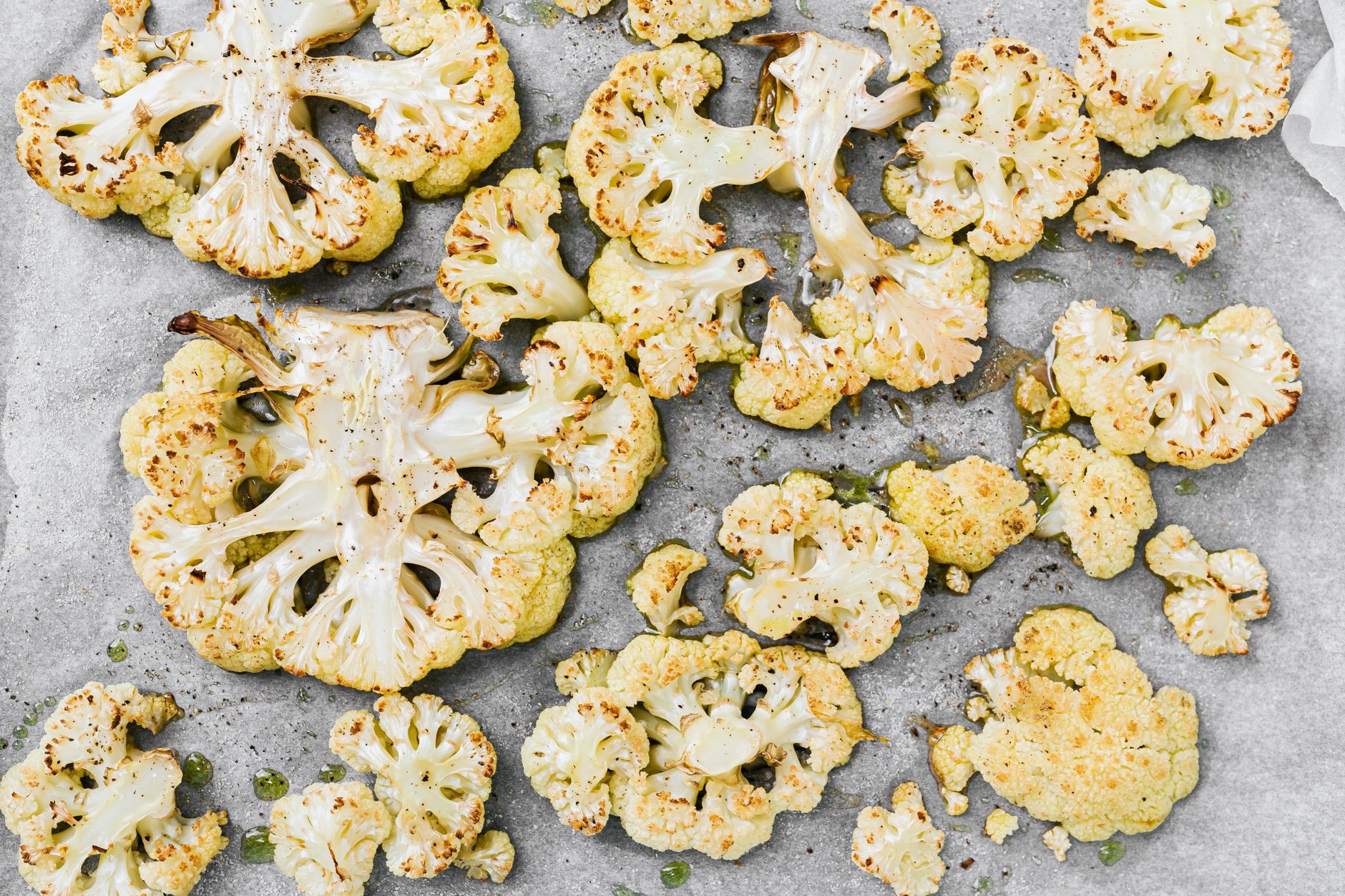
If you've ever stared into your refrigerator at 6 p.m., mentally negotiating between ordering takeout and actually cooking something, sheet pan meals might be the solution you didn't know you needed. They require minimal prep, produce almost no dishes, and — perhaps most importantly for the nutrition-conscious cook — they're genuinely good for you. Not just "convenient-food good for you," but legitimately nutrient-dense, well-balanced good for you.
Why Sheet Pan Cooking Is Nutritionally Smarter Than You Think
Roasting vegetables on a sheet pan at high heat does something remarkable: it concentrates flavors through the Maillard reaction while largely preserving fat-soluble vitamins like A, E, and K. Unlike boiling, which leaches water-soluble nutrients like vitamin C and B vitamins into the cooking water, dry-heat roasting keeps most of those compounds locked inside the food itself.
A 2021 review published in Food Chemistry confirmed that roasting and dry-heat cooking methods generally result in better retention of carotenoids — the antioxidant pigments found in orange, red, and yellow vegetables — compared to water-based cooking methods. That means your roasted sweet potatoes and cherry tomatoes are delivering more of their nutritional payload to your plate.
There's also the fat factor to consider. A light drizzle of olive oil isn't just for flavor. Research published in the American Journal of Clinical Nutrition has consistently shown that dietary fat significantly increases the absorption of fat-soluble phytonutrients like lycopene and beta-carotene. A sheet pan dinner naturally incorporates this principle — you're essentially optimizing nutrient bioavailability without even trying.
Building a Nutritionally Balanced Sheet Pan Meal
The secret to a truly nourishing sheet pan dinner lies in a simple three-part framework:
1. A quality protein source. Chicken thighs, salmon fillets, shrimp, tofu, tempeh, or chickpeas all work beautifully. Protein supports satiety, muscle repair, and metabolic function. Aim for a palm-sized portion per person.
2. Two or more colorful vegetables. This is where the nutritional magic happens. Eating a variety of colors ensures you're drawing from different families of antioxidants and phytonutrients. Try combining broccolini (sulforaphane, vitamin K) with red bell peppers (vitamin C, capsanthin) and red onion (quercetin, prebiotic fiber).
3. A smart carbohydrate. Cubed sweet potato, baby potatoes, butternut squash, or even cooked farro added post-roast can round out the meal with fiber, complex carbohydrates, and sustained energy. If you're keeping it lower-carb, cauliflower and zucchini are excellent stand-ins.
A light coating of extra-virgin olive oil, a generous pinch of sea salt, cracked black pepper, and your spice blend of choice — that's all the seasoning architecture you need.
The 30-Minute Formula That Actually Works
The biggest mistake people make with sheet pan meals is crowding the pan. When vegetables are packed too tightly, they steam instead of roast, resulting in soggy textures and muted flavors. Use two pans if necessary and give everything room to breathe.
Here's a reliable timing formula for a 400–425°F (200–220°C) oven:
- Dense vegetables (sweet potato, beets, carrots): 25–30 minutes
- Medium vegetables (broccoli, zucchini, bell peppers): 18–22 minutes
- Delicate vegetables (cherry tomatoes, asparagus, spinach): 10–14 minutes
- Chicken thighs or drumsticks: 30–35 minutes
- Salmon fillets: 12–15 minutes
- Shrimp: 8–10 minutes
- Chickpeas (canned, dried well): 25–30 minutes for crispiness
The practical approach: start your dense vegetables and protein first, then add quicker-cooking items in staggered batches.
Flavor Combinations Worth Bookmarking
Once you have the framework, the combinations are nearly endless. A few nutritionist-approved pairings to get you started:
- Mediterranean: Salmon, cherry tomatoes, kalamata olives, zucchini, lemon, oregano
- Smoky Fajita: Chicken thighs, tricolor bell peppers, red onion, cumin, smoked paprika, lime
- Golden Turmeric: Chickpeas, cauliflower, sweet potato, turmeric, cumin, coriander, yogurt drizzle to serve
- Ginger-Sesame: Tofu, broccoli, snap peas, sesame oil, tamari, fresh ginger
Leftovers That Keep Working for You
One underrated benefit of sheet pan cooking is how well the results repurpose. Leftover roasted vegetables tossed into a grain bowl, stuffed into a wrap, or blended into a quick soup the next day extend your nutritional investment and reduce food waste — a win for both your health and the environment.
A 2022 report from the Journal of the Academy of Nutrition and Dietetics noted that home-cooked meals are consistently associated with higher diet quality scores and lower intakes of sodium and added sugar compared to restaurant or takeout meals. Sheet pan cooking lowers the barrier to cooking at home, which means the simple act of owning a rimmed baking sheet might be one of the most practical nutrition tools in your kitchen.
Start with one combination this week. By Friday, it'll feel like second nature.
Disclaimer: This article is for informational and educational purposes only and does not constitute medical advice. The information presented is based on publicly available research and general nutritional principles. Always consult a qualified healthcare professional before making changes to your diet, especially if you have an existing medical condition or are taking medications.