Fermented Foods and Your Gut: The Probiotic Power You're Probably Underusing
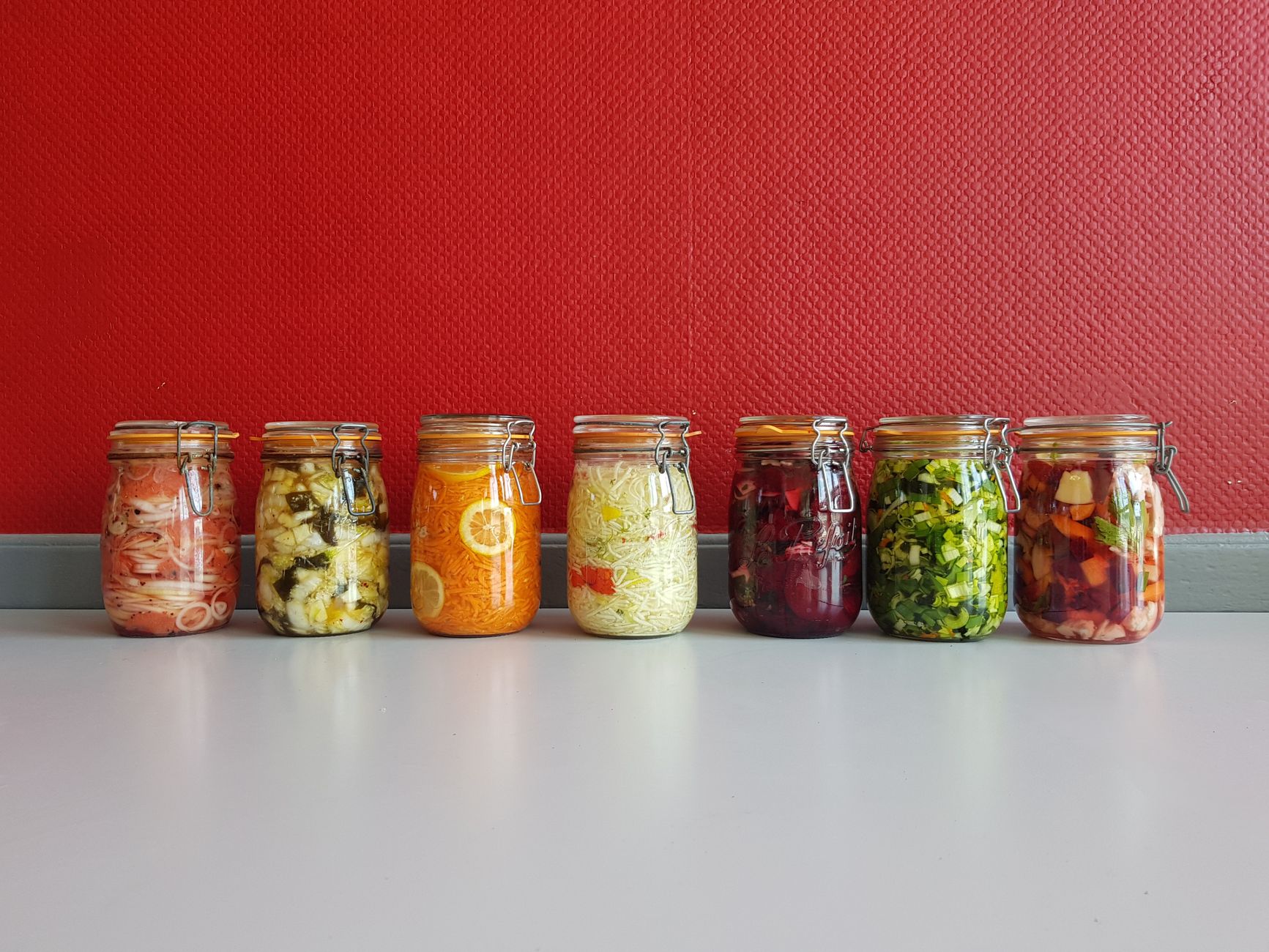
Your gut is home to trillions of microorganisms — bacteria, fungi, and viruses — that collectively influence everything from digestion and immunity to energy levels and skin clarity. While the gut-brain connection has gained plenty of attention lately, one of the most practical tools for nurturing a healthy microbiome is sitting quietly in your refrigerator (or it should be): fermented food.
Fermentation is one of humanity's oldest food preservation techniques, but its benefits go far beyond keeping food from spoiling. When microorganisms like bacteria and yeast break down sugars and starches, they produce beneficial compounds — including live cultures known as probiotics — that can meaningfully support your gut ecosystem. And the science backing this up has never been stronger.
What Fermented Foods Actually Do Inside Your Gut
Probiotics from fermented foods work by temporarily colonizing the gut and interacting with your existing microbial community. They help crowd out potentially harmful bacteria, reinforce the gut lining, and stimulate the production of short-chain fatty acids (SCFAs) — compounds that feed colon cells and help regulate inflammation.
A landmark 2021 study published in Cell found that a diet high in fermented foods significantly increased microbiome diversity and reduced markers of inflammation compared to a high-fiber diet over the same period. Microbial diversity is widely considered a hallmark of a healthy gut, and its decline is associated with conditions ranging from irritable bowel syndrome (IBS) to metabolic disease.
A 2022 review in Nutrients further confirmed that regular consumption of probiotic-rich fermented foods was associated with reduced gastrointestinal symptoms, improved bowel regularity, and enhanced immune function — particularly in adults with compromised gut health.
The Fermented Foods Worth Adding to Your Plate
Not all fermented foods are created equal. For a product to deliver probiotic benefits, it needs to contain live and active cultures — which means heat-processed versions (like most shelf-stable pickles or pasteurized sauerkraut) won't cut it. Look for refrigerated, raw, or traditionally prepared versions.
Here are the heavy hitters:
- Yogurt and kefir — Among the most studied probiotic foods, both are rich in Lactobacillus and Bifidobacterium strains. Kefir, a fermented milk drink, contains a broader range of cultures than most yogurts and may be better tolerated by people with mild lactose sensitivity.
- Kimchi — This Korean staple of fermented vegetables (typically cabbage and radish) is rich in Lactobacillus strains and fiber. A 2023 study in the Journal of Medicinal Food found regular kimchi consumption was linked to improvements in gut microbiota composition and reduced abdominal bloating.
- Sauerkraut — Raw, unpasteurized sauerkraut is an excellent source of probiotics and also provides vitamin C and K2. Just two tablespoons a day can make a difference.
- Miso and tempeh — These fermented soy products offer probiotics alongside protein, making them particularly useful for plant-based eaters. Tempeh also contains prebiotics — the fiber that feeds your good bacteria.
- Kombucha — A fermented tea with a growing body of research, kombucha provides organic acids and B vitamins alongside its live cultures. Choose low-sugar varieties to avoid counterproductive effects.
How to Build Fermented Foods Into Your Daily Routine
The goal isn't to overhaul your diet overnight — it's to make fermented foods a natural, consistent part of your eating pattern. Here's how to start:
Start small and go slow. Introducing large amounts of probiotics too quickly can cause temporary bloating or digestive discomfort as your gut adjusts. Begin with one serving per day and increase gradually over two to three weeks.
Pair fermented foods with prebiotic-rich foods. Probiotics need fuel to thrive. Eating fermented foods alongside garlic, onions, leeks, asparagus, oats, or bananas gives the live cultures something to feed on — amplifying their impact.
Make it a habit, not a supplement. A 2020 analysis in Frontiers in Microbiology noted that consistent, food-based probiotic intake produced more sustained microbiome changes than sporadic high-dose supplementation. Daily diversity matters more than occasional megadoses.
Read labels carefully. For yogurt, look for the phrase "contains live and active cultures." For sauerkraut and kimchi, buy refrigerated versions from the produce or health food aisle rather than the canned goods shelf.
The Bottom Line
Fermented foods are one of the most accessible, evidence-backed strategies for supporting gut health — no expensive supplements required. By incorporating a variety of these foods into your meals consistently, you're not just feeding yourself; you're feeding the microbial community that helps keep your entire body functioning at its best. Start with one new fermented food this week, and let your gut do the rest.
Disclaimer: This article is for informational and educational purposes only and does not constitute medical advice. The information presented is based on publicly available research and general nutritional principles. Always consult a qualified healthcare professional before making changes to your diet, especially if you have an existing medical condition or are taking medications.